January 5, 2026

Toxic Additives in Pharmaceutical Packaging
For decades, plastic pill bottles have been the industry standard, valued for their durability, low cost, and ability to protect medications from environmental damage. Yet growing evidence suggests that toxic additives used in pharmaceutical packaging, particularly certain UV stabilizers, may pose unintended health risks through long-term exposure.
One such additive is UV-328, a chemical widely used in polypropylene and polyethylene pill bottles. While effective at protecting plastic from light degradation, UV-328 is increasingly recognized as a known toxicant with potential implications for patient safety.
Why UV-328 Is Used in Polypropylene and Polyethylene Pill Bottles
Most prescription pill bottles are made from polypropylene (PP) or polyethylene (PE), two plastics favored for their lightweight structure, durability, and cost efficiency. These materials dominate pharmaceutical packaging globally.
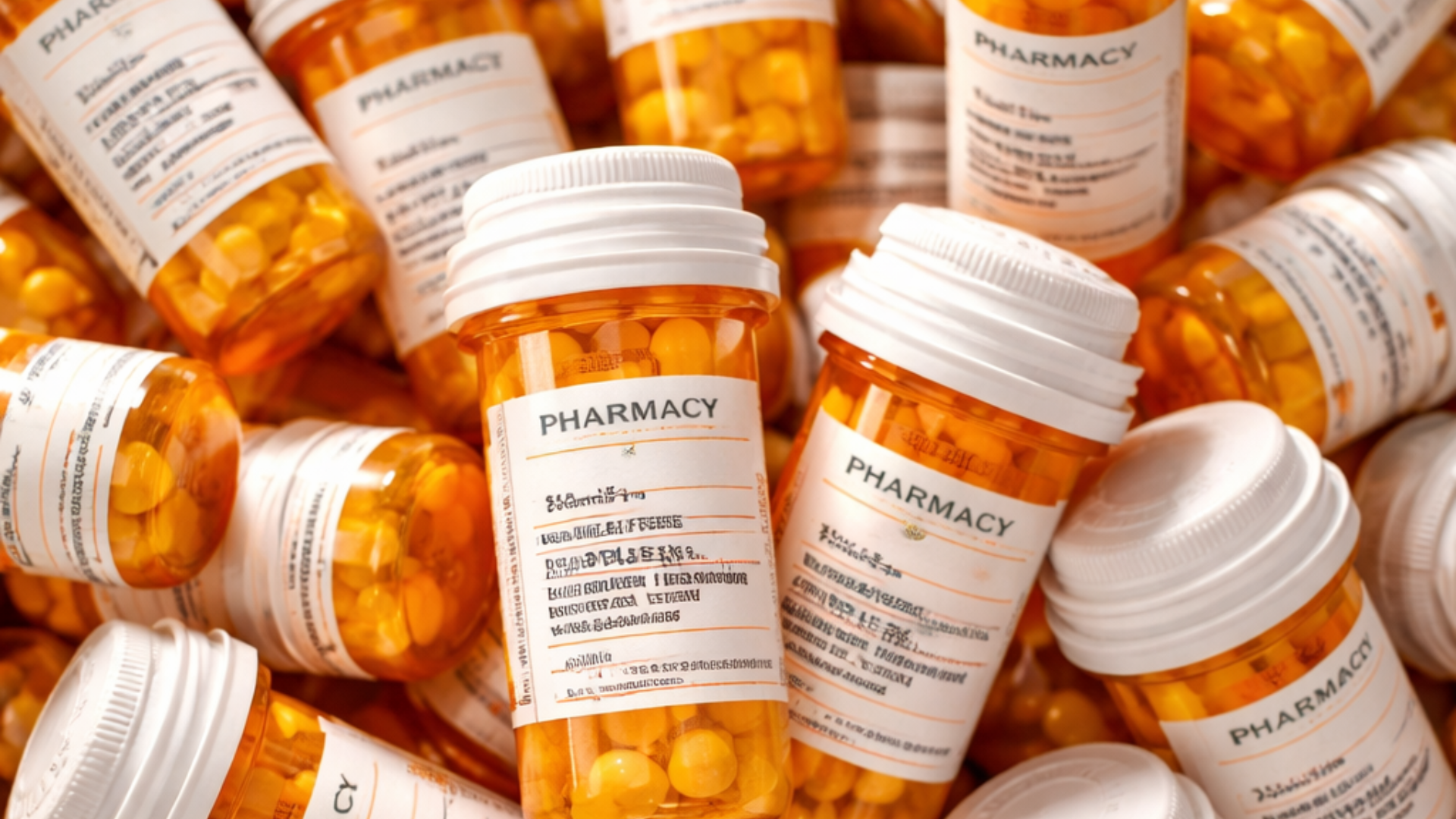
To further protect medications, many pill bottles are manufactured in amber or tinted colors, which help reduce UV light exposure that can degrade sensitive drugs. However, plastic alone does not provide sufficient UV resistance over time. This is where chemical additives come in.
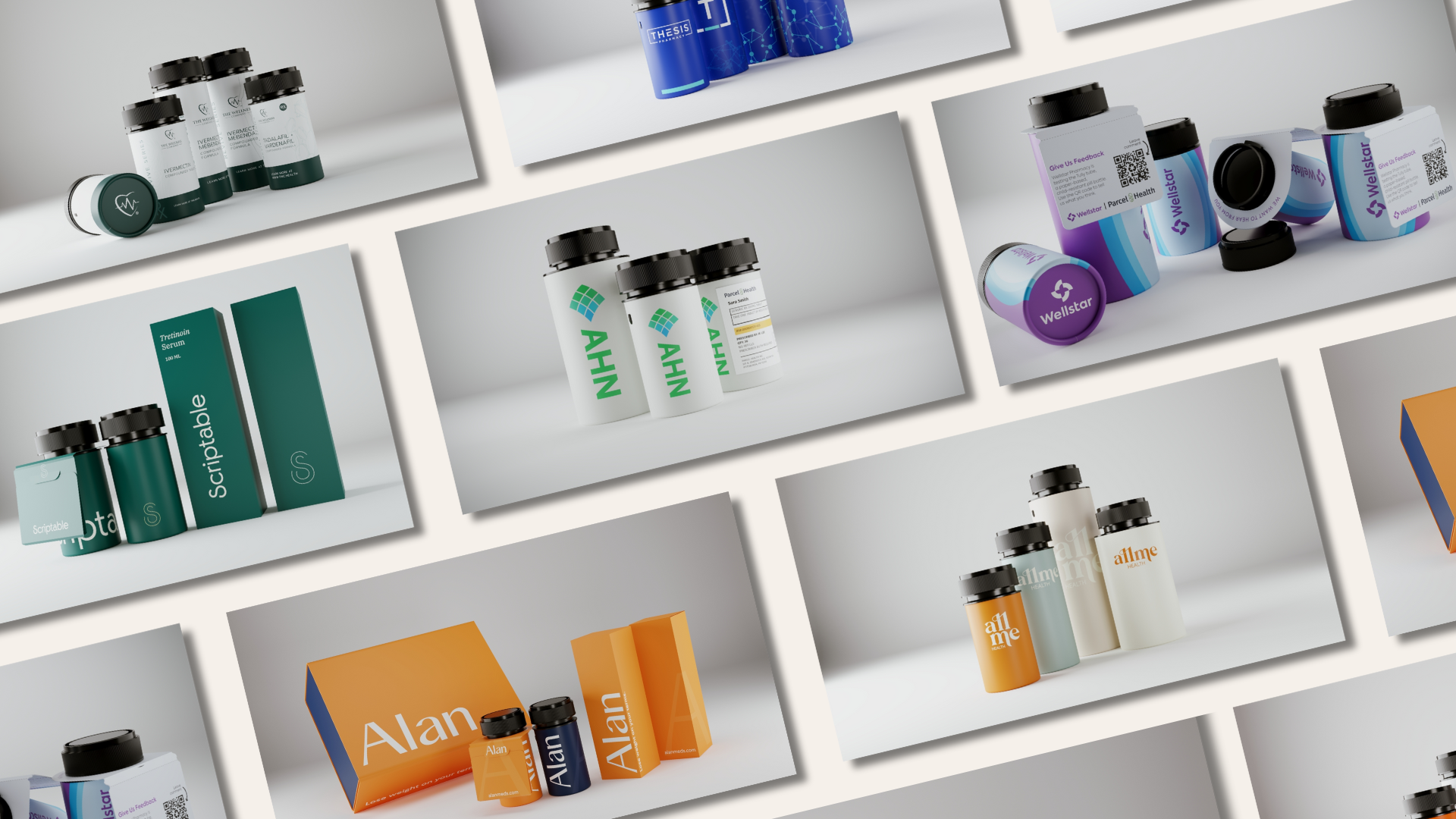
Plastic packaging relies heavily on stabilizing additives to maintain structural integrity, appearance, and performance throughout a medication’s shelf life. These additives are not incidental—they are essential to how plastic packaging functions. However, our Tully Tubes change this equation. As the world’s first prescription paper bottle designed to meet performance requirements without relying on toxic UV stabilizers, our Tully Tube proves that pharmaceutical packaging can deliver protection and reliability without compromising patient health.
What are the uses of UV-328
UV-328 is a benzotriazole-based UV stabilizer commonly added to plastic packaging materials. Its primary role is to absorb ultraviolet radiation, preventing plastics from becoming brittle, discolored, or degraded when exposed to light.
In pharmaceutical packaging, UV-328 helps:
- Protect plastic bottles from prolonged light exposure
- Maintain packaging integrity during storage and transport
- Support extended shelf life for medications
Because UV-328 is effective and inexpensive, it has been widely adopted across multiple industries, including pharmaceuticals. However, its use has historically been driven by performance and cost but not by long-term health considerations.
Importantly, safety testing in the pharmaceutical industry has traditionally focused on drug stability, not the potential toxicity of packaging additives. As a result, chemicals used in packaging have often escaped the same level of scrutiny applied to active pharmaceutical ingredients.
Health Impacts of UV-328 Leaching or Exposure
A growing body of scientific research suggests that UV-328 is not chemically inert. Under certain conditions, chemical leaching from plastic packaging can occur, allowing trace amounts of additives to migrate into medications or the surrounding environment.
Key health concerns associated with UV-328 include:
- Leaching potential, particularly over long storage periods
- Bioaccumulation, meaning the chemical can persist and build up in the body
- Endocrine disruption, which may interfere with hormone regulation
- Increased risk from chronic, low-dose exposure, especially for patients taking long-term or daily medications
These risks are especially relevant for vulnerable populations, including older adults, individuals managing chronic conditions, and patients on multiple prescriptions. While exposure levels may be small, the cumulative impact over months or years raises important questions about patient safety.
Regulatory Status and Restrictions (U.S. and EU)
Globally, regulatory responses to UV-328 have been uneven. In the European Union, chemical safety frameworks have increasingly scrutinized benzotriazole UV stabilizers due to concerns about persistence, toxicity, and bioaccumulation. Several regulatory actions and restrictions reflect a more precautionary approach to chemical exposure.
In contrast, U.S. oversight remains more fragmented. Pharmaceutical packaging materials often fall into regulatory gray areas, where responsibility is split across agencies and standards focus primarily on drug efficacy rather than packaging composition.
This gap highlights a broader issue: packaging materials are not always regulated with patient exposure in mind, despite their direct contact with medications.
Industry Movements and Alternatives to UV-328
Across healthcare and manufacturing, momentum is building toward safer and more sustainable pharmaceutical packaging. Industry trends point to the development of stabilizers with improved toxicological profiles, renewed interest in glass packaging where appropriate, and growing adoption of fiber-based and paper packaging solutions. At the same time, pharmacists are increasingly demanding packaging options that better align with patient health and environmental responsibility. Together, these shifts reflect a broader recognition that sustainability and patient safety are deeply interconnected.
How Are We Partnering with Pharmacies to Replace these Plastic Bottles
We partner with pharmacies and healthcare organizations to rethink pharmaceutical packaging from the ground up—prioritizing materials like paper that reduce chemical exposure risks while supporting environmental sustainability.
Our approach focuses on:
- Collaboration, not disruption
- Replacing plastic with paper-based packaging like Tully Tube that eliminate the need for toxic plastic stabilizers
- Supporting pharmacists who want safer, health-aligned packaging solutions for their patients
By moving away from plastic-dependent systems, we aim to help pharmacies lead a meaningful shift toward packaging that protects both human health and the planet.
A recap
Toxic additives in pharmaceutical packaging remain largely invisible to patients, yet they play a direct role in long-term exposure risks. As trusted healthcare providers, pharmacists are uniquely positioned to lead the transition toward safer, non-toxic packaging solutions.
At Parcel Health, we are partnering with pharmacies and sustainability advocates to move beyond plastic-dependent systems and toward paper-based alternatives designed with patient health at the center. If you believe medication safety should extend beyond the medication itself, we invite you to connect with us and help drive this change.
Others you might like
Check out some of our latest blog posts.
.png)
.jpeg)