February 27, 2026

Leachables in Pharmaceutical Packaging: Why Material Choice Matters
Pharmaceutical packaging is often viewed as a protective layer, but it plays a much more active role in a medicine’s overall safety and quality. The materials used to store and deliver medicines can interact with drug products over time, influencing their stability and performance. As attention around patient safety, sustainability, and regulatory oversight continues to grow, understanding how packaging materials behave has become increasingly important.
What Are Leachables?
Leachables are small chemical substances that can migrate from packaging materials into a medicine during normal storage and use.
In simple terms, when a medicine is stored inside a bottle, vial, or blister pack, tiny amounts of material from the packaging can slowly mix with the drug. This process happens over time and often without any visible change to the medicine itself.
While pharmaceutical packaging is designed to be safe, growing research and industry discussion are drawing attention to how traditional packaging choices, such as amber medicine vials, may contribute to leachable risks and why alternative materials are being explored.
Where Do Leachables Come From?
Leachables can originate from several common packaging components used in the pharmaceutical industry, including:
- Plastic bottles and containers
- Rubber stoppers, seals, and closures
- Labels, inks, and adhesives
These materials may contain additives designed to improve strength, flexibility, or durability. Under certain conditions, small amounts of these substances can migrate from the packaging into the medicine.
How Does Leaching Occur?
Leachables do not appear suddenly or by accident. They develop gradually over time as medicines interact with their packaging. This process is often slow and invisible, which is why it can be easy to overlook.
At its core, leaching occurs when a medicine remains in direct contact with packaging materials for extended periods. Certain substances used in packaging can slowly migrate into the drug, especially when conditions encourage molecular movement.
Several key factors can increase the likelihood of leachables occurring more quickly.
What Makes Leaching Happen Faster
Leaching speeds up or slows down based on how a medication is stored, packaged, and handled between manufacturing and the patient. A few variables decide how much material actually migrates into the product, and pharmacy teams can control more of them than most realize.
Length of Storage Time : The longer a medicine remains in its packaging, the more opportunity there is for substances to move from the container into the drug. Products with long shelf lives require especially careful packaging choices.
Temperature and Environmental Conditions : Higher temperatures can speed up chemical movement. Medicines stored in warm environments, or exposed to temperature fluctuations during transport, may face an increased risk of leaching.
Type of Medicine Formulation : Liquid medicines, oil-based products, and formulations with strong solvents are more likely to interact with packaging materials than solid tablets or capsules.
Storage and Handling Conditions : Exposure to light, humidity, or improper storage conditions can weaken packaging materials over time, making leaching more likely.
Understanding these factors allows pharmaceutical companies to make better decisions early and by selecting the right materials, designing safer packaging, and ensuring medicines remain stable throughout their intended shelf life.
Leachables typically enter medicines gradually rather than all at once, reinforcing the importance of using packaging materials that remain stable over time.
Regulatory Expectations Around Leachables
Health authorities worldwide expect pharmaceutical companies to understand how packaging materials interact with medicines. Regulatory agencies rely on international quality standards such as the ICH Quality Guidelines, which outline harmonised expectations for drug quality, risk management, and packaging interactions across global markets.
- Evaluate potential risks from packaging materials early in product development
- Demonstrate that packaging does not compromise drug safety or quality
- Monitor products throughout their shelf life under real storage conditions
As a result, leachables are a key consideration not only during packaging selection, but throughout the entire pharmaceutical product lifecycle.
Parcel Health Innovating for Safer Packaging
Pharmaceutical companies use several strategies to reduce leachable risks, including:
- Selecting pharmaceutical-grade packaging materials
- Using compostable paper layering and coating that’s recyclable and biodegradable
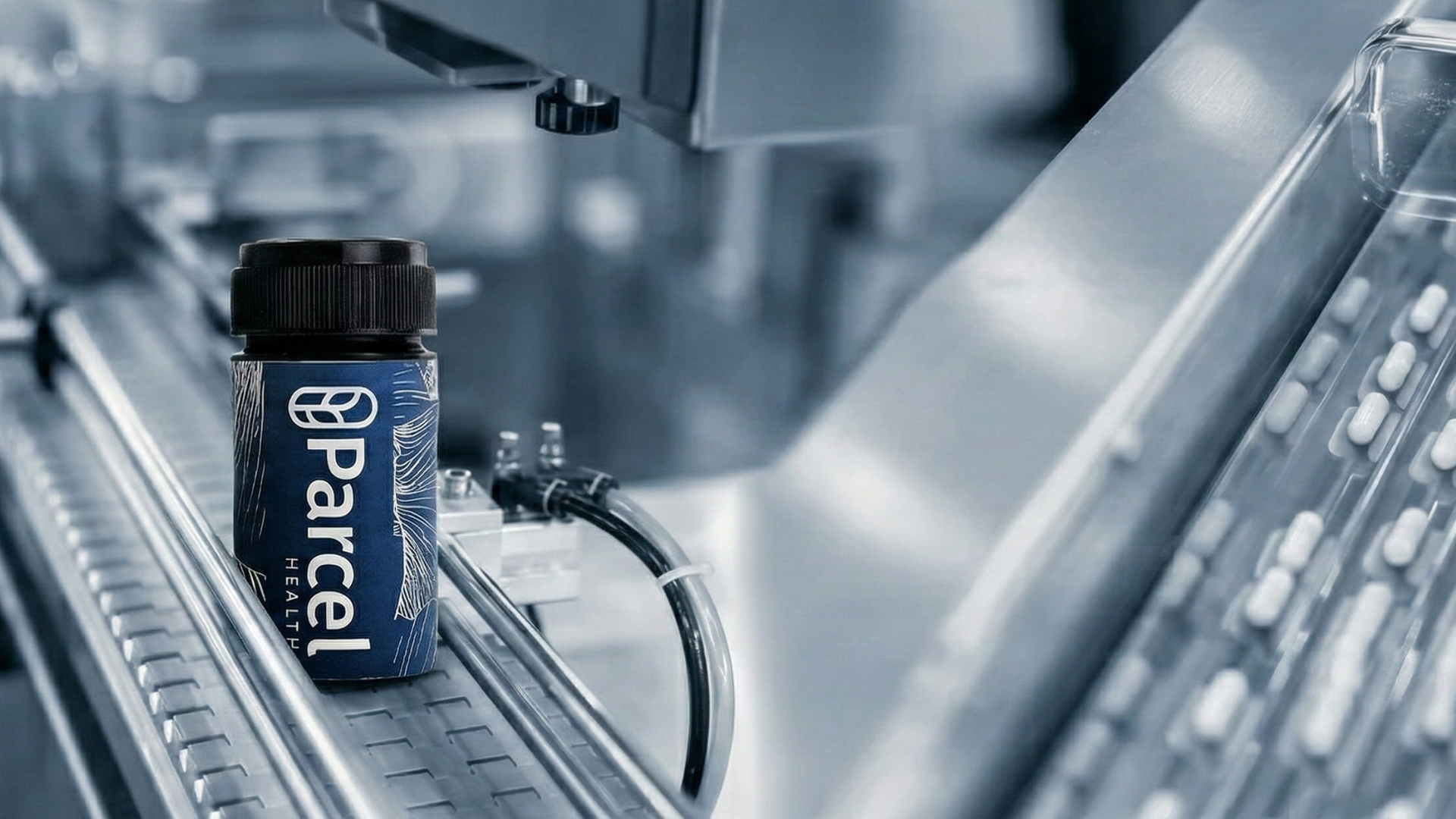
This approach goes a step further by re-examining the role of packaging materials themselves. As part of a broader commitment to patient safety and sustainability, we are actively exploring alternatives to traditional packaging formats including a move toward paper-based packaging solutions designed to reduce material-related risks while maintaining product integrity.

Innovation and the Future of Pharmaceutical Packaging
Advances in packaging technology continue to reduce leachable risks. New materials, improved manufacturing controls, and more robust testing approaches are making pharmaceutical packaging safer and more reliable.
As innovation progresses, packaging is increasingly recognized as an integral part of the medicine itself and not just something that holds it, but something that actively contributes to safety, quality, and trust.
Packaging Is Part of the Medicine
Leachables may be hidden, but their impact is real. As awareness of patient care continues to grow, pharmaceutical packaging plays a critical role not only in protecting patient safety, but also in supporting sustainable packaging practices and meeting evolving regulatory expectations.
By understanding leachables and making thoughtful packaging choices, the pharmaceutical industry can continue to deliver medicines that patients trust from the first dose to the last.
If your organization is evaluating safer or more sustainable pharmaceutical packaging solutions, Parcel Health welcomes the opportunity to share our approach and explore potential collaboration.
Contact us to learn more.
Others you might like
Check out some of our latest blog posts.
.png)
.jpeg)