February 6, 2026

The Bioplastic Myth: Why “Eco-Friendly” Plastic Isn’t the Solution
As conversations around sustainability grow louder, “bioplastics” have emerged as a popular alternative to traditional plastic especially in industries looking to reduce their plastic footprint and carbon emissions. In healthcare and pharmaceutical packaging, these materials are often positioned as a responsible step forward. But beneath the eco-friendly labels and promising claims, bioplastics present a more complicated reality.
What Are Bioplastics
Bioplastics sound like the guilt-free answer to our plastic problem. But here’s what the labels don’t tell you, most of these “eco-friendly” alternatives won’t actually break down in your backyard, your local landfill, or even if they end up in the ocean.
As sustainability becomes a priority across healthcare, packaging choices are under more scrutiny than ever. Bioplastics are often presented as an environmentally responsible alternative to traditional plastic but the reality is more complex.
While the term “eco-friendly plastic” sounds promising, bioplastics frequently fall short of delivering the environmental benefits they imply. In pharmaceutical packaging especially, where materials are single-use and high-volume, bioplastics may create more confusion than impact.
To move toward truly sustainable pharmaceutical packaging, it’s important to look beyond marketing labels and evaluate what actually works in the real world.
The Three Types of Bioplastics
Scientists and manufacturers divide bioplastics into three categories. Understanding these distinctions helps explain why the “biodegradable” label can be misleading.
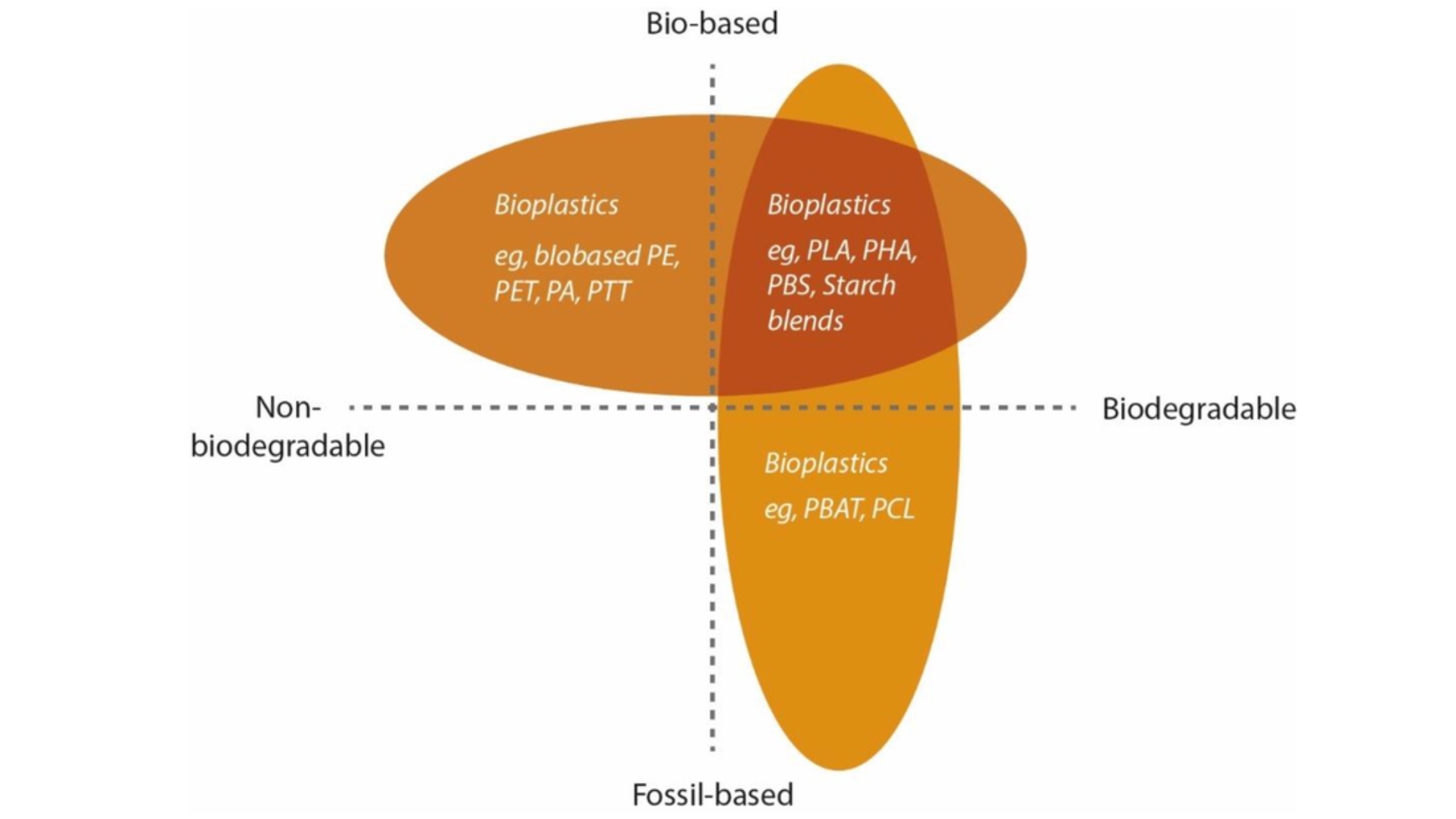
Fossil-based and Biodegradable
These plastics are derived from petroleum resources but are specially engineered to break down through bacterial action. Polybutylene adipate terephthalate (PBAT) is a common example, often used in film packaging because it is flexible and technically compostable.
While these materials can be broken down by microorganisms, the process takes far longer than the 3–6 months typically required for commercial composting certification. We’re talking years, not months. They exist in a gray zone technically biodegradable, but not within any practical timeframe that meaningfully helps the environment
Bio-based and Non-biodegradable (Drop-ins)
Yes, you read that right. These materials are bio-based (made from plants) but are not designed to break down in the environment, making them non-biodegradable.
Like traditional plastic, they will eventually break down, but over hundreds of years. Common examples include bio-based polyethylene (Bio-PE), Bio-PET, and certain polyamides. The only real difference is the source material.
These are often called “drop-in” solutions because they are chemically identical to conventional plastics (such as PET or PE), just produced from renewable resources instead of fossil fuels.
Bio-based and Biodegradable (Compostable)
These bioplastics are produced from renewable resources like corn or sugarcane and can fully decompose but only under very specific conditions.
Key examples include polylactic acid (PLA), commonly used for packaging, and polyhydroxyalkanoates (PHA), which are produced by microorganisms. These are the materials most often marketed as truly “compostable.”
Technically, they are but here’s the fine print, they require industrial composting facilities with controlled temperature, humidity, and microbial activity to break down properly. They do not naturally biodegrade in home compost systems or landfills.
The Real-World Challenges of Bioplastics
Why Bioplastics Fall Short as a Sustainable Solution
Despite their intended environmental benefits, bioplastics present several practical challenges that limit their effectiveness as a sustainable packaging solution. These challenges become especially apparent when bioplastics are used at scale and within existing waste management systems.
Limited Compatibility with Home Composting
Many products labeled as “compostable” require controlled conditions that are not achievable in typical home compost systems. Industrial composting environments maintain specific temperature ranges, moisture levels, and oxygen flow to support material breakdown, conditions that household compost bins generally cannot replicate.
As a result, bioplastics placed in home composting systems often remain intact for extended periods, undermining their intended environmental purpose.
Uneven Access to Industrial Composting Infrastructure
Industrial composting facilities capable of processing bioplastics are not consistently available across regions. In many areas, these facilities are limited or nonexistent, and most do not accept compostable plastics even when present.
Without reliable access to appropriate disposal infrastructure, bioplastics frequently end up in landfills, where they no longer function as a sustainable alternative.
Disruption of Recycling Systems
Bioplastics can pose challenges to existing recycling streams. Because they often resemble conventional plastics, they are commonly mis-sorted by consumers and enter recycling systems not designed to process them.
This misclassification can contaminate recycling batches, reduce material recovery rates, and increase operational costs for recycling facilities, ultimately diminishing the effectiveness of recycling programs.
Although some bioplastics are derived from renewable resources, many are not fully biodegradable under natural environmental conditions. When improperly disposed of, they can persist in landfills and natural ecosystems for extended periods, behaving similarly to conventional plastics.
This persistence limits their ability to address long-term plastic pollution concerns.
Disposal Challenges in Healthcare Settings
In most healthcare environments, including pharmacies and patient households, access to industrial composting infrastructure is extremely limited. As a result, bioplastic packaging particularly materials labeled as compostable—cannot be disposed of as intended in real-world medical settings.
Without the necessary waste management systems in place, bioplastics used in pharmaceutical packaging are frequently diverted to landfills, where their environmental advantages are largely negated. This limitation significantly reduces their viability as a sustainable solution within healthcare.
Incremental improvements are not sufficient. Healthcare requires packaging systems that are not merely “less harmful,” but fundamentally designed to support circular material flows and long-term environmental responsibility.
Paper-Based Pharmaceutical Packaging: A Practical Alternative
Paper-based packaging offers a more practical and reliable approach to sustainability in pharmaceutical applications.
Paper is derived from renewable resources, widely recyclable, and compatible with existing waste management systems. When designed intentionally, paper-based pharmaceutical packaging supports a circular economy in which materials are collected, recycled, and reintegrated into productive use rather than discarded.
When responsibly sourced and engineered for performance, paper packaging also demonstrates a lower environmental impact across its lifecycle, making it a scalable and credible alternative to plastic-based materials.
How Parcel Health Is Rethinking Sustainable Packaging
Our Tully Tubes demonstrates that sustainable healthcare packaging does not require plastic whether bio-based or conventional.
By delivering paper-based pharmaceutical packaging solutions, Parcel Health enables pharmacies to significantly reduce plastic waste without compromising regulatory compliance, patient safety, or operational efficiency. The emphasis is not on sustainability claims, but on materials that perform effectively within real-world systems.
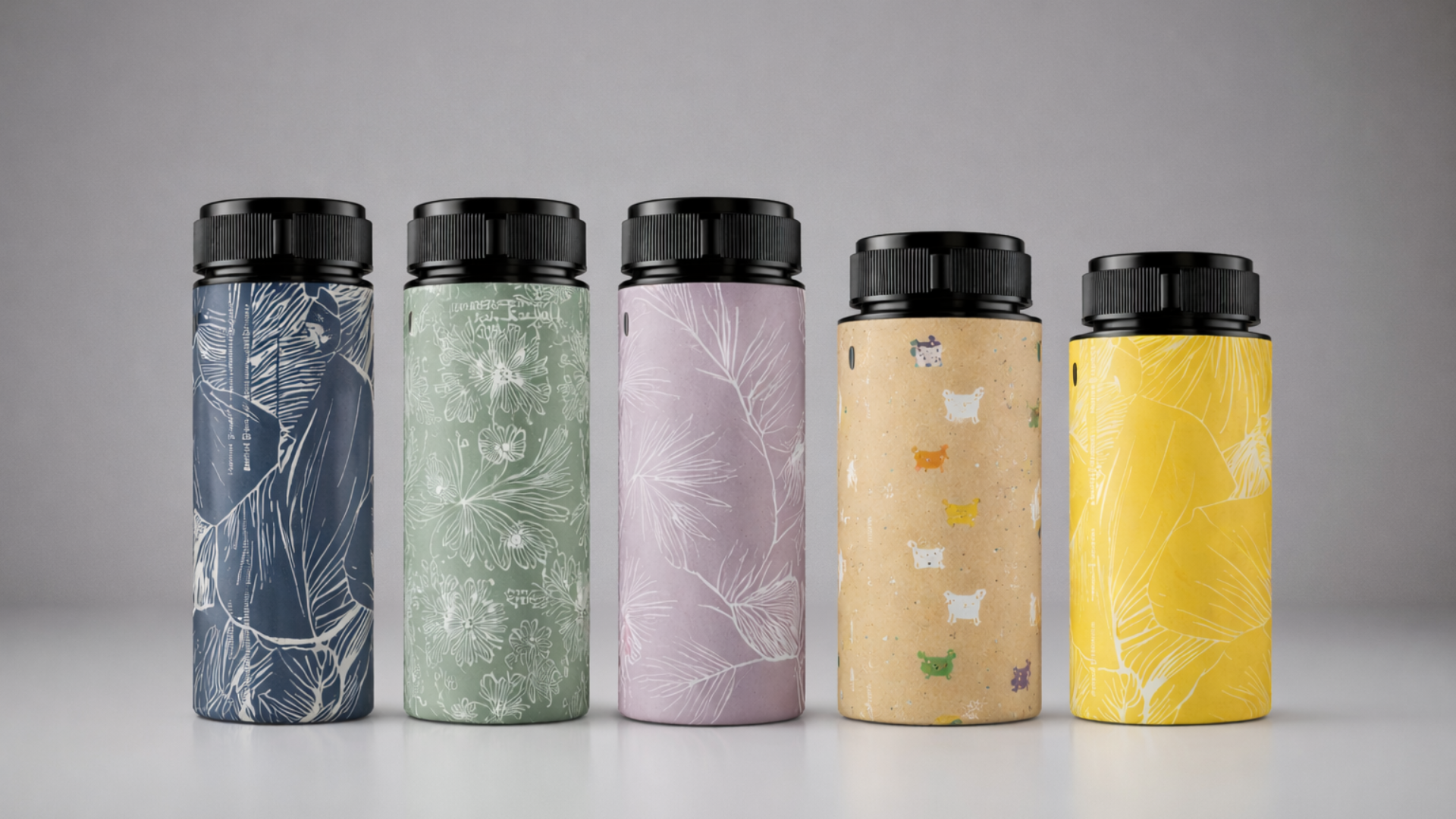
This approach replaces bioplastics with packaging that is:
- Practical and efficient for pharmacy operations
- Easy for patients to dispose of correctly
- Designed to deliver measurable environmental impact rather than marketing-driven benefits
Moving Beyond the Bioplastic Myth
Bioplastics are often positioned as a comprehensive solution to plastic waste. In practice, they frequently shift environmental challenges rather than resolve them.
Meaningful sustainability requires material choices that align with existing recycling infrastructure, scale effectively across healthcare systems, and deliver demonstrably lower environmental impact. In pharmaceutical packaging, paper is not a compromise but it represents a more responsible and future-ready solution.
Ready to Choose a Better Packaging Solution?
Sustainability in healthcare does not need to be complex, nor does it require plastic. Explore how Parcel Health’s paper-based pharmaceutical packaging can replace bioplastic products and support a cleaner, more responsible healthcare system.
Contact us to learn more about our packaging solutions.
Others you might like
Check out some of our latest blog posts.
.jpeg)