December 21, 2025

The Hidden Environmental Cost of Plastic Bottles
Microplastics and chemical additives from plastic bottles go beyond ocean pollution. They enter our food, water, and bodies. Learn how this happens, why it’s a problem, and how paper-based packaging can help.
Understanding Microplastics and Chemical Leaching
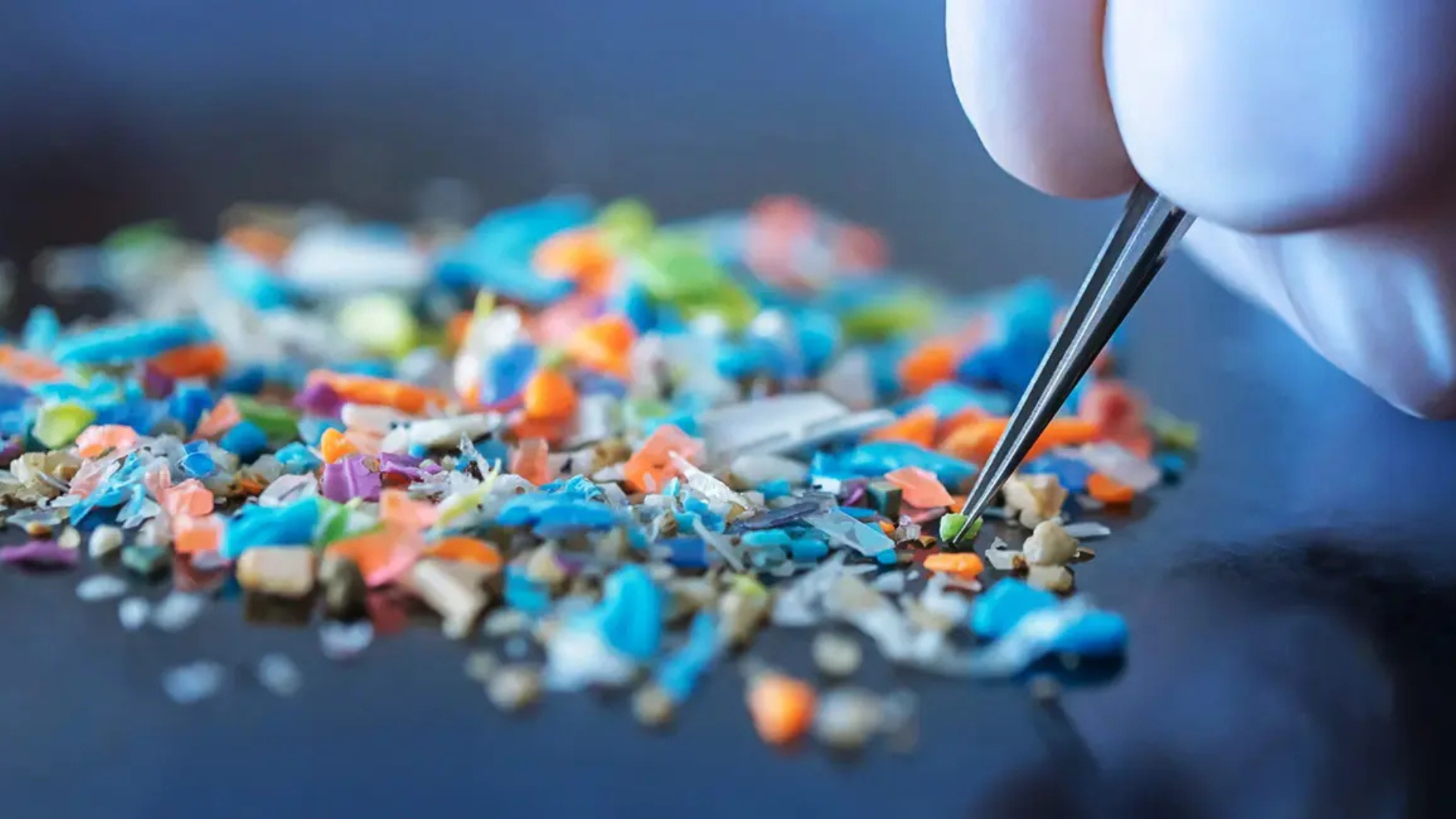
Microplastics are usually defined as plastic particles smaller than 5 millimeters—about the size of a sesame seed or even smaller. Microplastics are often categorized as either “primary” (manufactured to be small, such as industrial pellets or microbeads) or “secondary” (created when larger plastics fragment over time). Over time, plastic bottles can shed these tiny fragments as the material ages and breaks down while also releasing chemical additives that give the plastic strength, clarity, or flexibility. The bottles we use every day are a major source of secondary microplastics as they weather, crack, and degrade.
At the same time, plastics aren’t just single polymers—they’re chemical mixtures. Manufacturers add stabilizers, plasticizers, colorants, flame retardants, and other compounds to make bottles inexpensive, durable, and functional. Many of these additives aren’t permanently bound to the plastic, which means they can migrate into air, water, soil, or the liquid inside the bottle. This slow release is what scientists refer to as chemical leaching.
How toxins leach from common plastics
Chemical leaching happens because plastic is slightly porous at the molecular level. Additives sit within the polymer matrix like ingredients held in a sponge. Over time, especially when plastic is stressed or exposed to certain conditions, those chemicals can slowly diffuse out. This can occur during normal use (like storing water in a bottle) and after disposal, when bottles sit in sunlight, heat, or seawater for months or years. We’ll break those factors down in the next blog (thinks…). In other words, the plastic surface becomes brittle, cracks, and flakes into smaller and smaller pieces and these fragments become microplastics (less than 5 mm) and even nanoplastics.
Different plastics have different additive profiles. For example:
- PET (polyethylene terephthalate) bottles, commonly used for water and soda, can leach trace amounts of antimony, a manufacturing catalyst residue. Studies show leaching tends to increase with heat, sunlight exposure, and long storage times.
- Polypropylene (PP) / polyethylene (PE) pill bottles, widely used in pharmacies, often include UV stabilizers to protect both the plastic and light-sensitive medications. One example is UV-328, a UV absorber used in polyolefins. These stabilizers are not chemically bonded to the plastic, meaning they can migrate out over time, though exposure varies depending on storage conditions and product contact.
- Other plastics, such as polycarbonate or some recycled blends, may contain additives like bisphenols or phthalates, which are widely studied because of their potential biological activity and ability to migrate under certain conditions.
What makes this especially concerning is that weathering changes plastic’s chemistry. As it breaks, plastic doesn’t just get smaller but it often becomes more reactive. A rougher, cracked surface can release additives more easily and also attract other pollutants like heavy metals or persistent organic chemicals floating in the environment. In other words, older plastic can become a more toxic carrier than the original product.
This doesn’t mean every bottle is immediately dangerous. Still, even small amounts released over time can add up, and that cumulative exposure is the real concern.
The Toxic Impacts of Plastic Across its Lifecycle
Plastic’s harm begins much earlier during production and continues through everyday use, disposal, and long-term breakdown in nature. At every stage, plastic can release chemicals and shed particles that persist for decades, spreading through air, water, and food systems and eventually reaching our bodies. The World Health Organization and other scientific reviews increasingly describe plastic pollution as a full-lifecycle health issue, not just a waste problem.
Entry of microplastics into food and water
After plastic breaks into tiny pieces, microplastics spread through the same systems that support daily life. In water systems, they travel through rivers and wastewater and have been found in both tap water and bottled water worldwide. In the food chain, fish and shellfish ingest microplastics directly or through their prey, so the particles move up into seafood. Microplastics have also been detected in common foods like salt, sugar, honey, and crops, likely from polluted soil and irrigation.
Exposure is easy to miss because it’s often indirect. People can take in microplastics through food and water, and also by breathing indoor dust that contains plastic fibers. On top of that, microplastics can carry chemical additives and other pollutants, so the risk isn’t just the particle itself, but what comes with it. That’s why plastic pollution is so persistent: once microplastics enter water and food systems, they keep circulating, and small exposures add up over time.
Long-Term Consequences for the Environment and Public Health
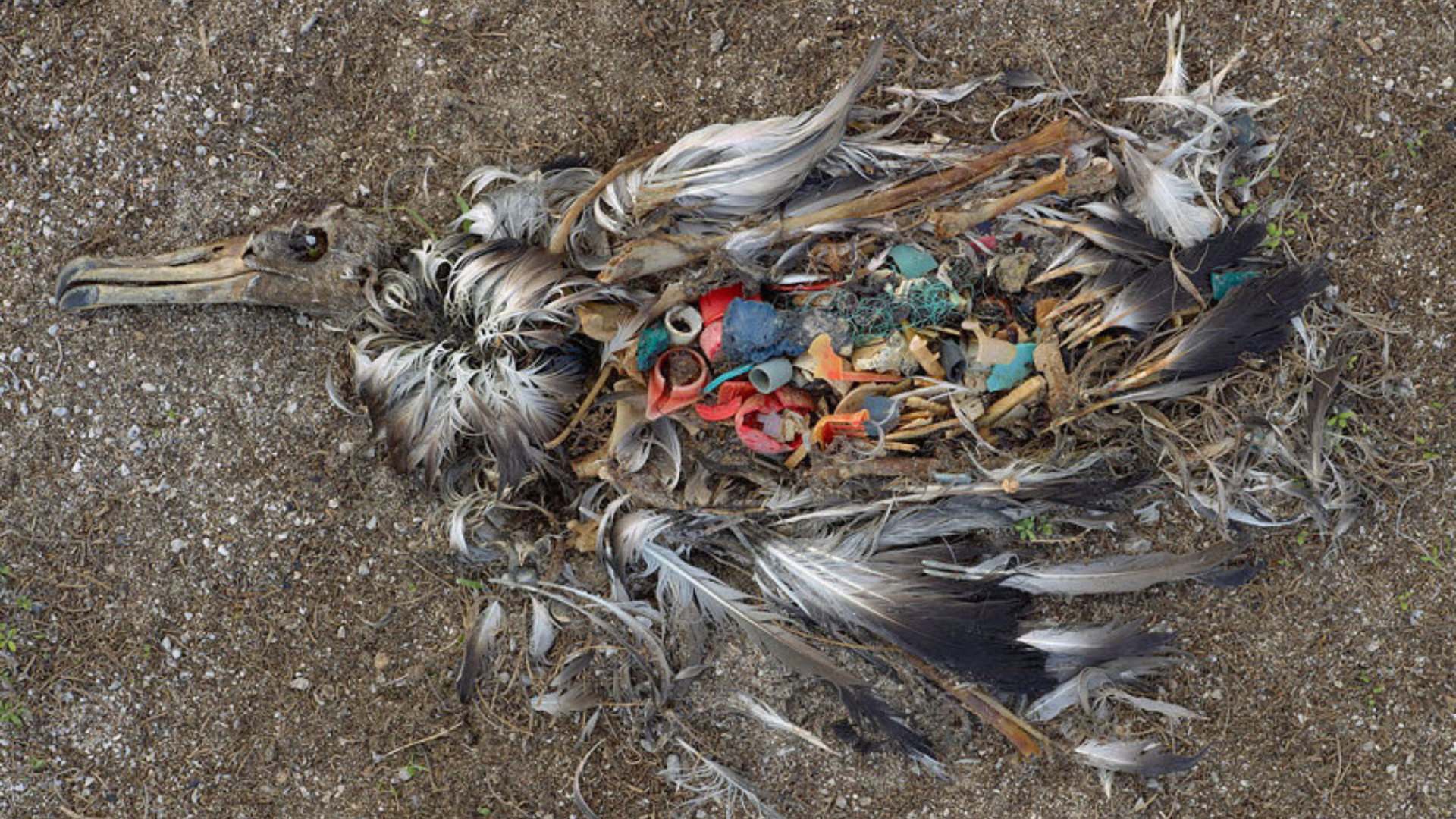
As these microplastic spread, wildlife ingest them at every level of the food web and disrupt feeding, growth, and reproduction across ecosystems. Weathered plastics also develop rough, reactive surfaces that can leach their own chemicals and carry other pollutants, making older plastic pieces more toxic over time.
The long-term effects reach people, too. Microplastics have been detected in human tissues such as lungs and blood, and plastic-associated chemicals like phthalates and bisphenols are linked in many studies to endocrine and chronic health risks, even though the full picture is still being mapped. Add plastic’s climate footprint—about 3.4% of global greenhouse-gas emissions from a fossil-fuel-heavy lifecycle—and plastic pollution becomes not just a waste issue but a lasting environmental, health, and climate burden.
What Paper-Based Packaging Can Do for a Safer Future
If plastic bottles create long-lasting microplastics and chemical exposure, then the most direct solution is also the simplest: replace the material itself. That’s why Parcel Health started with paper-based packaging. The responsibly sourced fiber packaging can be recycled multiple times and, if it escapes collection, it will not leech harmful microplastics into the environment.
Paper also supports a more circular waste system. In many regions, paper recycling infrastructure is more established and successful than plastic recycling, which often struggles with mixed materials, contamination, and low recovery rates. In other words, the “best” packaging isn’t only about what it’s made from—it’s about what actually happens to it after use.
At the same time, it’s worth being realistic: paper packaging must be designed carefully. Some paper containers use thin polymer liners or coatings for moisture or oxygen barriers, and conventional plastic-based coatings can make fiber products harder to recycle. The goal isn’t “paper at any cost,” but smart fiber packaging that uses recyclable or compostable barrier technology and avoids re-creating the microplastic problem in a new form.
What consumers can do to speed up the shift
Everything starts small, just like habits. As consumers, we can begin by choosing reusable containers and products packaged in plastic-free materials, and by avoiding heating food or drinks in plastic whenever possible. You can also support brands and pharmacies that are already moving toward fiber-based or low-plastic packaging, such as Catalyst by Wellstar or Allegheny Health Network, to help reinforce and expand the shift. What you do is to also ask local retailers, healthcare providers, or pharmacies about their packaging choices. “Why not Tully Tube?” When enough people ask, providers notice, and change follows.
What industry can do next to scale safer packaging
Industry has a major role in scaling safer packaging, and the next steps are clear. Packaging should be treated as both a health and environmental decision, not only a cost calculation. That means prioritizing materials that don’t become microplastics by design and shifting away from formats that persist and fragment over time. Companies can accelerate progress by scaling fiber-based packaging that’s already proven in healthcare, personal care, and everyday consumer goods. Continued investment in barrier innovations is also essential so paper packaging meets performance needs while staying recyclable or compostable in real-world systems.
A recap
Plastic bottles were designed for convenience, but their hidden cost lasts far longer than their moment of use. What looks like a simple container becomes a long-term exposure problem as it sheds microplastics and releases chemical additives that move through water systems, wildlife, and eventually our own bodies. This is urgent now because plastic production keeps rising, recycling rates remain low, and the microplastics already circulating won’t disappear on their own. Every delay adds more permanent particles and chemical burden to our environment and food chain.
The good news is that the solution doesn’t have to be complicated. Reducing plastic at the source—especially in high-volume, low-recycling items like bottles and healthcare packaging—is one of the fastest ways to cut microplastic and toxin exposure. Paper-based alternatives show what a safer future can look like: packaging that performs well, fits real recycling systems, and doesn’t leave behind a plastic afterlife. At Parcel, we’re working to help healthcare and consumer brands move toward sustainable, fiber-based packaging that protects people and the planet.
Let’s redesign the future together, one bottle at a time.
Reach out to learn more and collaborate with our sustainable solutions or contact us to learn how your organization can reduce plastic use and help accelerate the movement toward packaging that doesn’t leave a plastic afterlife.
Others you might like
Check out some of our latest blog posts.