April 30, 2026
The Future of Paper Based Pharmaceutical Packaging
At a Glance
- Prescription packaging is one of healthcare's most overlooked waste streams, with 8 billion plastic vials discarded in the US every year
- Paper meets the same clinical safety and compliance benchmarks as plastic, without the environmental cost
- Aluminium carries a high-energy production process and lower real-world recycling rates than most assume
- 71% of patients preferred paper packaging when given a choice, and leading health systems are already making the switch
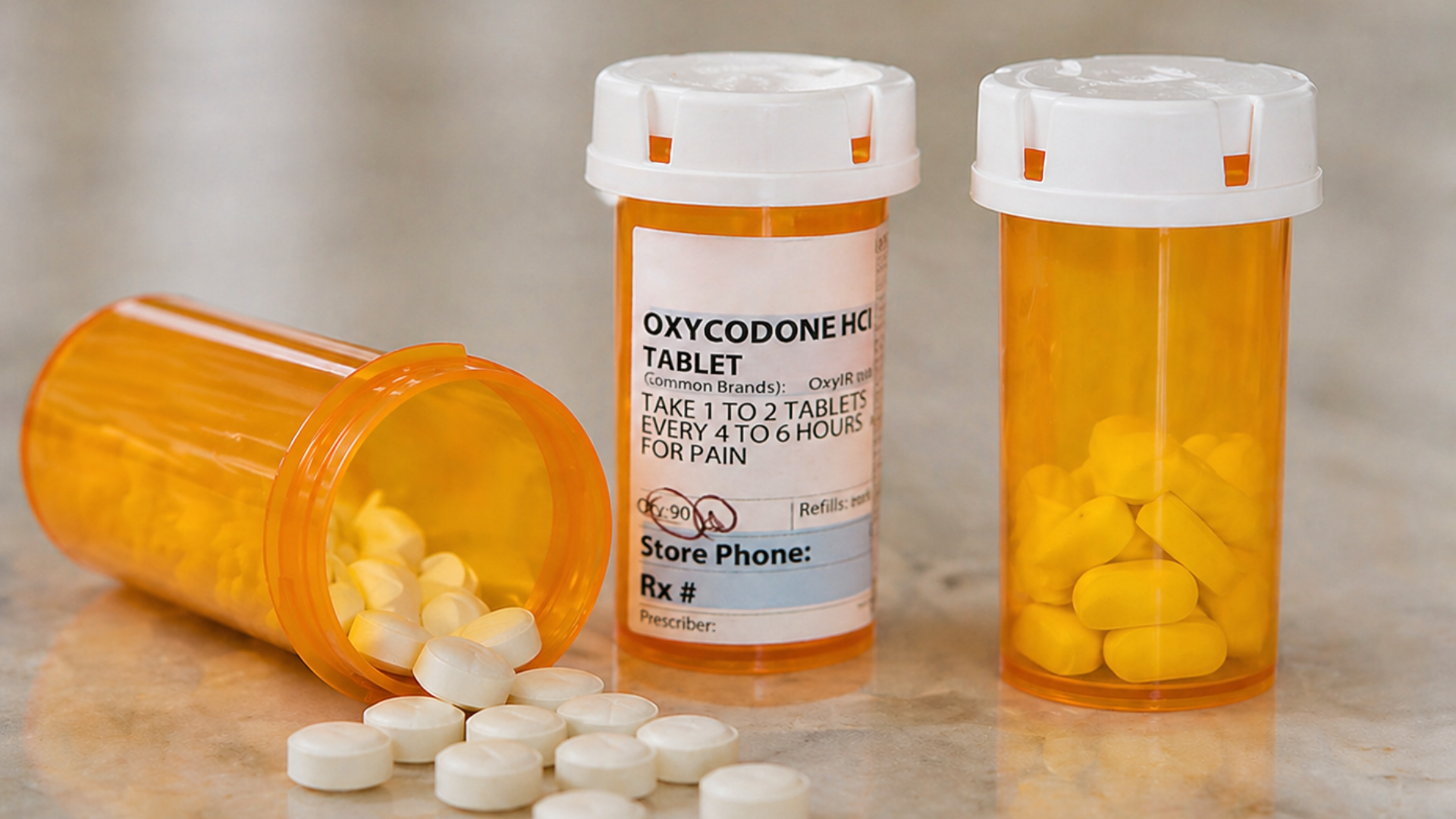
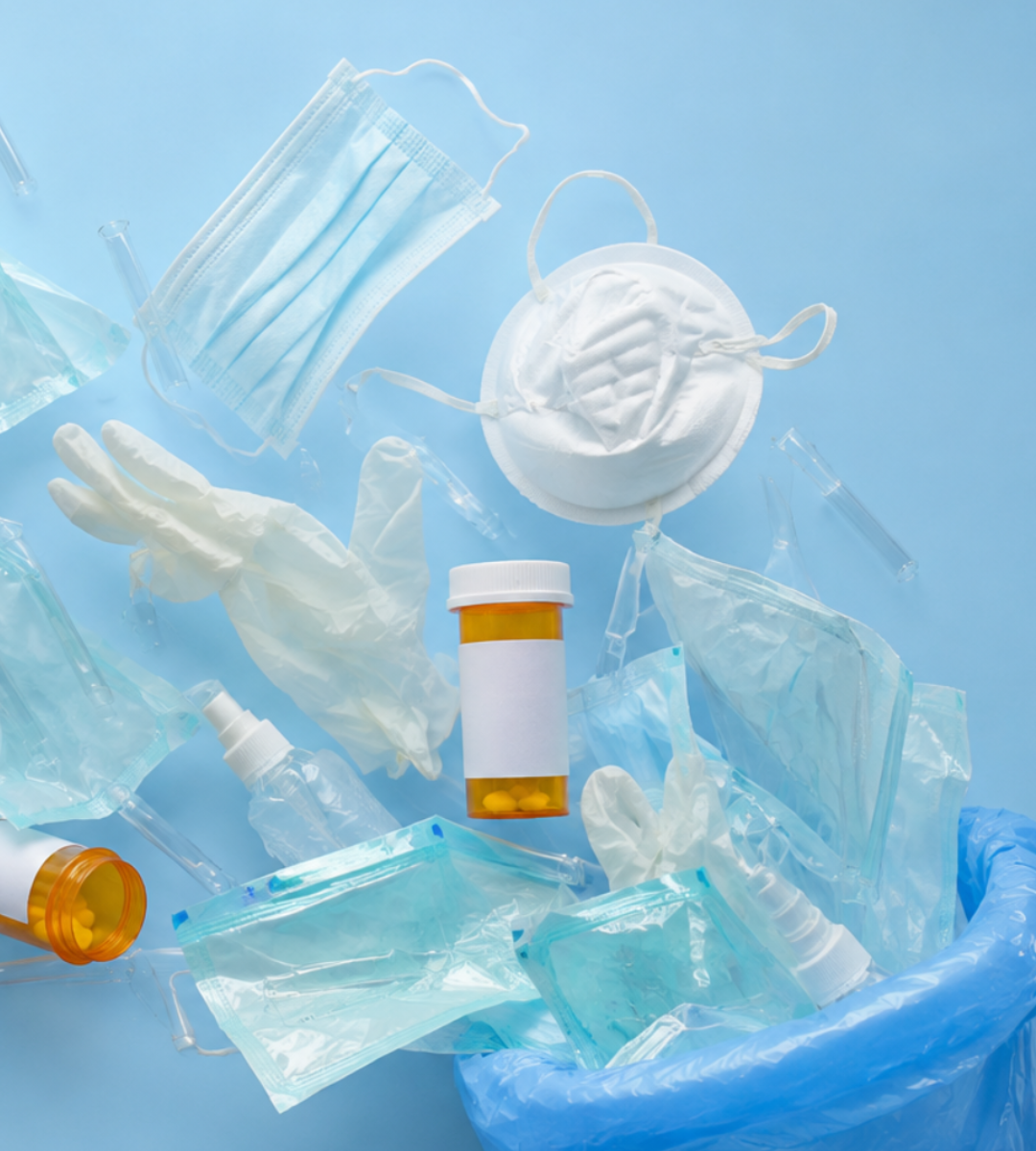
Imagine the weight of 450 Boeing 747 aircraft. That is the equivalent of plastic pill bottles discarded in the United States every single year. More than 8 billion plastic prescription vials are dispensed in the United States every year, part of a global pharmaceutical packaging industry generating over 300 million tons of plastic waste annually, half of it designed for single use.
This has been one of the most overlooked waste streams in healthcare for decades. Plastic became the clinical default in the mid-twentieth century and simply stayed there. Regulatory focus has always centered on medication safety and patient outcomes, and somewhere along the way, the container holding the medication never received the same level of scrutiny.
As awareness toward sustainability grows stronger, the healthcare packaging industry is beginning to change. Meaningful alternatives to single-use amber plastic pill bottles are emerging, and paper, one of the earliest and most widely used packaging materials in human history, is increasingly leading the way.
Why Paper?
Pharmaceutical packaging plays a critical role in protecting medicines, ensuring patient safety, maintaining product quality, and meeting stringent regulatory standards. The industry has made efforts to improve sustainability through recyclable, biobased, and high-barrier plastic solutions, but these innovations are largely incremental. The root challenge lies in the material itself. After years of plastic as the default, we found paper to be the most compelling answer, and here is why.
Moisture and Temperature Resistance
Pharmaceutical-grade paper packaging is engineered with moisture-resistant barriers that protect medication integrity across a wide range of storage conditions. It undergoes rigorous testing to meet the same humidity and temperature resilience benchmarks as traditional plastic packaging. When properly coated, paper’s fibre structure can regulate moisture transfer effectively and medications can remain stable, dry, and uncontaminated throughout their shelf life.
Child Safety and Microplastic-Free
Paper-based prescription packaging can be designed and certified to meet Consumer Product Safety Commission (CPSC) child-resistant standards, the same regulatory framework governing plastic vials today. Unlike plastic, paper does not shed microplastics or leach plasticizers, an increasing concern in pharmaceutical environments where material purity is critical.
Biodegradability and Durability
Paper outperforms plastic on every environmental measure. Paper originates from renewable forests and, when responsibly sourced, can safely return to the earth after use. Pharmaceutical-grade paper packaging is engineered through layered material design to withstand light exposure and the physical demands of transit, arriving at the patient's hands in the same condition it left the pharmacy. It is sustainably sourced, renewable, and fully recyclable, giving the packaging a lower carbon footprint and truly circular end of life solutions that plastic simply cannot offer.
Beyond its environmental advantages, paper also changes the experience of receiving care. There is something to be said for how paper feels in a patient's hands. It carries a natural, considered quality that communicates care. Packaging is the most frequent touchpoint in a patient’s care experience. The packaging you choose sends a message. Paper sends one that validates the quality of care.
Paper vs. The Alternatives
When healthcare providers evaluate packaging options, the conversation often centers on cost and compliance. The encouraging reality is that transitioning to paper does not necessarily require a cost premium. Paper-based solutions can be competitively priced and designed to integrate into existing workflows without significant operational disruption.
Beyond cost, however, the choice of material has broader implications for environmental impact, patient perception, and institutional responsibility.
Recyclability, Biodegradability, and Carbon Footprint
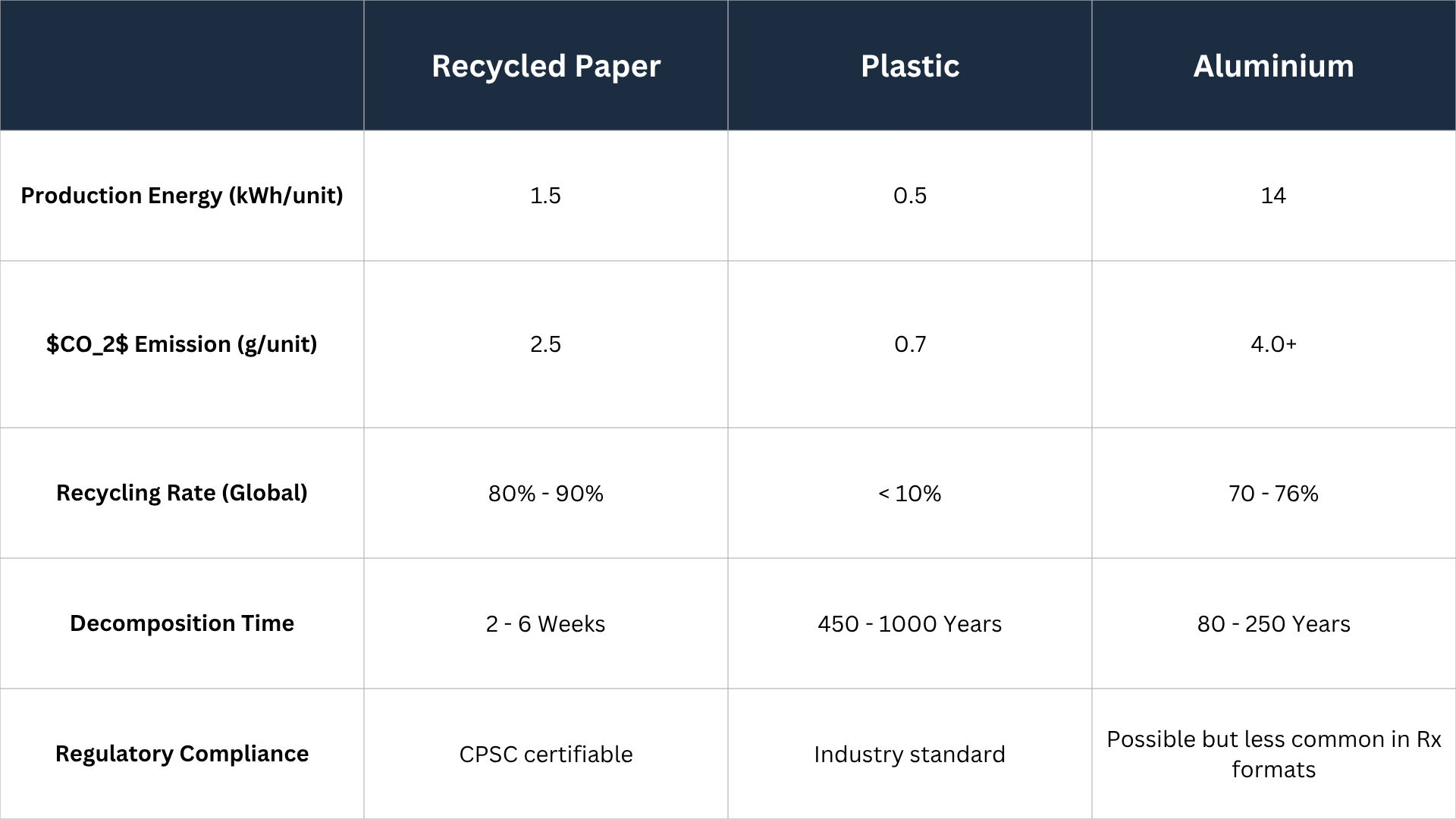
Among these materials, paper stands out for recyclability and environmental performance. However, it is important to acknowledge that paper lacks inherent resistance to moisture, grease, and gases without additional coatings. These functional requirements must be addressed through material engineering.
Aluminium is often positioned as a sustainable alternative to plastic, but in pharmaceutical applications, its environmental profile is more complex than it appears. The smelting process is among the most energy-intensive in modern manufacturing, and small-format packaging such as blister packs and pill containers consistently sees low real-world recycling rates. The same small-format argument could be raised about paper, but there is a critical difference. When paper does not get recycled, it can be composted. Aluminium has no equivalent fallback. If it misses the recycling stream, it goes straight to landfill with no secondary pathway.
There are clinical considerations too. Aluminium can react with certain drug formulations, particularly those that are acidic or alkaline, introducing compatibility concerns that paper does not carry. From a practical standpoint, aluminium also requires specialist inks and surface treatments for direct printing, adding complexity to labelling workflows. Paper accepts labels, branding, QR codes, and privacy overlays natively, making it the more operationally straightforward choice for pharmacy environments.
Overall, paper fits into an accessible and widely used recycling ecosystem. Most patients can dispose of it through standard recycling streams. According to the American Forest and Paper Association, paper and paperboard recycling rates exceed 60%, significantly higher than the estimated 5–6% plastic recovery rate in the United States (EPA, 2022). For healthcare providers and procurement teams, these data points are increasingly relevant in decision-making.
What a Paper-First Approach Looks Like in Practice
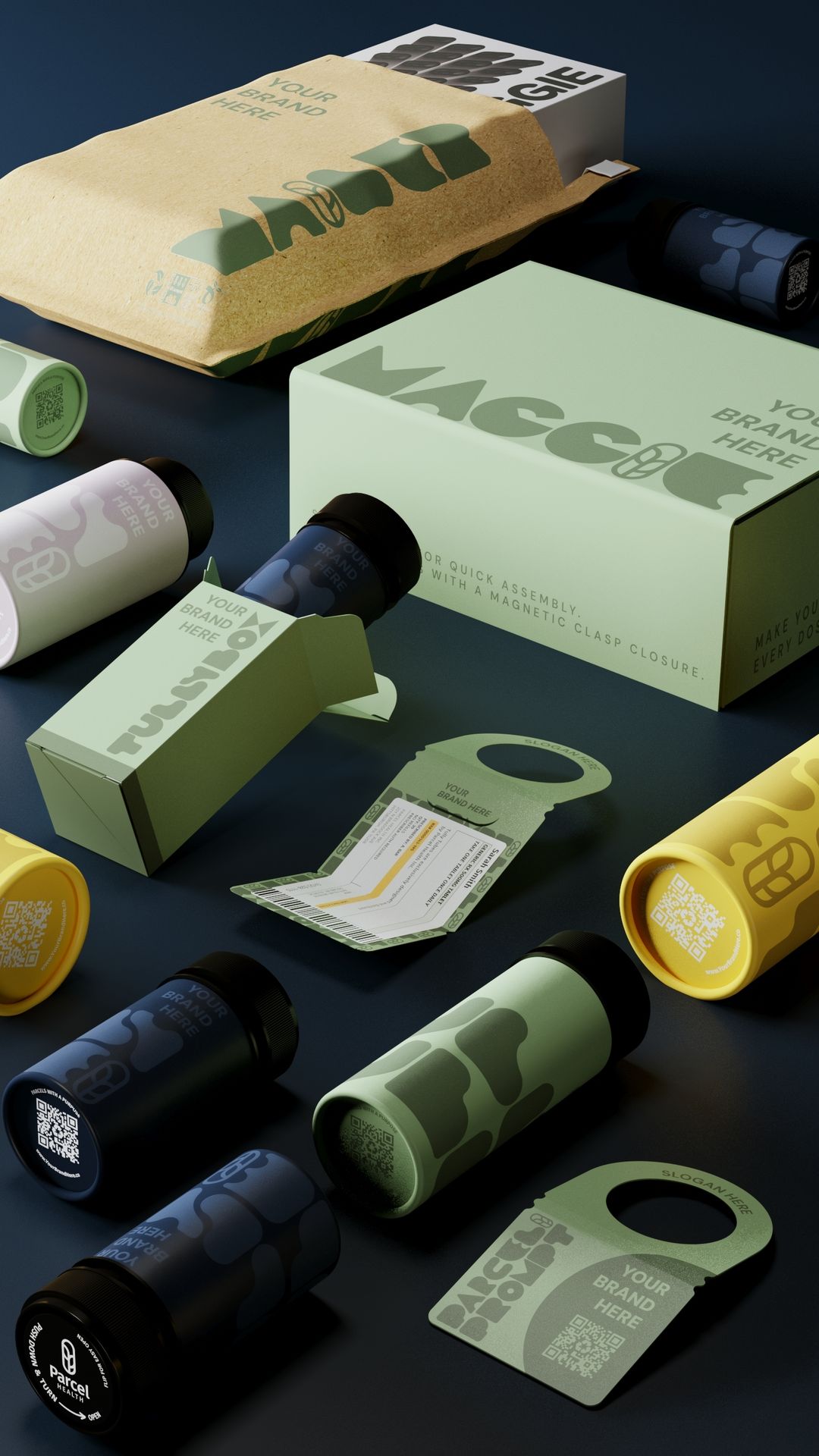
Tully Tube is a paper-based pill bottle designed for clinical environments. It is USP-compliant, available in multiple sizes, and customizable to meet operational needs. The packaging integrates into existing dispensing workflows with minimal disruption.
Labels are applied in a way that protects patient privacy through Parcel Prompts, while still allowing for features such as QR codes for surveys, branding, and storage instructions. Health systems and telemedicine providers have begun adopting these solutions as part of broader sustainability initiatives.
Wellstar Health System, one of the largest health systems in the United States, has implemented paper-based packaging as part of its effort to reduce single-use plastics. In a pilot conducted in December 2025, 71% of patients preferred paper packaging when given a choice, 79% supported switching due to environmental benefits, and 75% felt that sustainable packaging signaled greater care from their provider.
Dartmouth Health also launched a pilot program in September 2025 to gather patient feedback. Responses included appreciation for both the environmental benefits and the improved discretion compared to traditional amber pill bottles.
This shift is already underway, and with more healthcare providers incorporating solutions like Tully Tube, we are moving closer to a future with less reliance on plastic pill bottles backed by data.
Packaging Is a Clinical Decision
For too long, prescription packaging has been treated as a logistical detail, driven primarily by cost and convenience. However, given the scale of environmental impact, it is increasingly clear that packaging is also a clinical and patient centric responsibility.
Paper offers healthcare providers a pathway to address this responsibility without compromising safety, functionality, or operational efficiency. It represents a viable, evidence-aligned alternative that supports both patient care and environmental stewardship.
Leading health systems are responding to a growing body of evidence, increasing regulatory pressure, and rising patient awareness around sustainability in healthcare. For them, this is about aligning everyday operations with long-term responsibility.
If you are exploring what this could look like for your organization, we invite you to learn more or get in touch: www.parcelhealth.co/contact-us .
Others you might like
Check out some of our latest blog posts.