August 18, 2026

Strategic Packaging Design In Healthcare
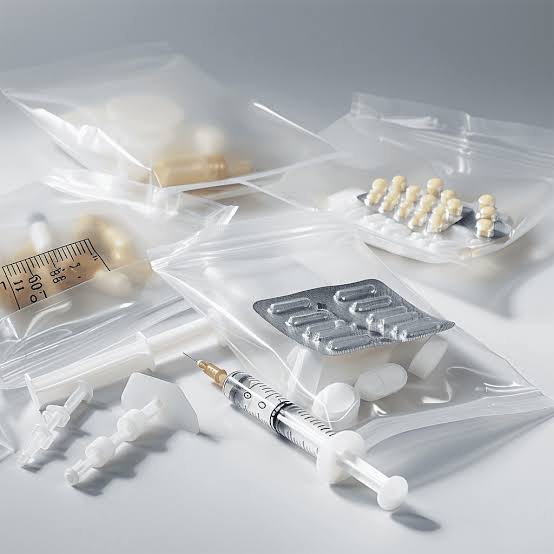
Despite rapid innovation across healthcare, the amber plastic prescription pill bottle has remained almost unchanged for decades. As sustainability becomes the number-one topic across the packaging value chain and corporations set ambitious environmental targets, packaging is one of the most important levers for creating environmental impact. Increasing regulatory pressure and corporate sustainability commitments are also driving healthcare providers to reconsider the environmental harms created by plastics.
Two Key Drivers of Sustainable Packaging Design
Packaging plays a much larger role than simply protecting and delivering a product. Every design decision, from the material selected to how packaging is manufactured, used, and ultimately disposed of, affects its environmental footprint. Strategic packaging design focuses on two interconnected drivers: material selection and emissions profile. Together, these elements influence how packaging is produced, used, and managed at the end of its life.
- Material Selection
In healthcare packaging, the challenge is choosing materials without compromising the safety, protection, and performance standards required for pharmaceutical products. As an example, paper-based packaging offers environmental advantages while maintaining dispensing functionality. Compared with conventional plastic, paper-based packaging draws from a renewable source, avoids the fossil fuel inputs required to produce plastic, and can enter established recycling streams.
- Emissions Profile
A package made from lower-carbon materials, designed to be lighter, and created with recyclability in mind can reduce emissions across its entire life cycle. Plastic prescription bottles were primarily designed to meet pharmaceutical safety, stability, and dispensing requirements, with less emphasis historically placed on end-of-life environmental impact. As sustainability becomes a greater priority in healthcare, packaging design must now consider not only how well a package protects and dispenses medication, but also the carbon emissions created through its production, transportation, use, and disposal.
By prioritizing responsible material selection and a lower emissions profile, healthcare can choose to reduce the environmental impact of pharmaceutical packaging without compromising safety, protection, or performance.
The Five Touchpoints Healthcare Packaging Has Been Missing
Historically, healthcare packaging has prioritized dispensing efficiency, product stability, and regulatory compliance. While these remain essential, healthcare packaging has increasingly been expected to support other aspects of the patient experience, including accessibility, medication adherence, disposal, and recyclability.
Nicholas Webb describes this broader perspective as Experiential Journey Design, a framework published in Packaging Digest. The framework encourages designers to consider every interaction users have with a package throughout its lifecycle.
These five touchpoints include:
- Pre-Touch: The first impression before opening the packaging.
- First-Touch: The initial physical interaction, including ease of opening and accessibility.
- Core-Touch: Everyday use, medication adherence, pharmacy workflow compatibility, and dispensing efficiency.
- Last-Touch: Responsible disposal, recyclability, and end-of-life environmental impact.
- In-Touch: Ongoing engagement between healthcare providers, patients, and brands through education and support.
By considering each touchpoint, packaging can be designed not only to meet regulatory and operational requirements but also to improve the overall patient experience while supporting healthcare sustainability goals.
Challenges of Sustainable Healthcare Packaging
Improving sustainability in healthcare packaging is not as simple as replacing one material with another. Prescription packaging must continue to meet strict pharmaceutical requirements for product protection, moisture resistance, durability, tamper evidence, and patient safety.
New packaging solutions also need to work with existing pharmacy automation systems, labelling equipment, and dispensing workflows. If a solution requires major operational changes, adoption becomes more difficult even when the environmental benefits are clear.
Successful sustainable packaging must therefore balance environmental performance with safety, compliance, compatibility, and efficiency. The encouraging shift is that more healthcare organizations are looking at ways to reduce unnecessary packaging, choose more sustainable materials, and improve recycling systems without compromising patient safety.
Sustainability Starts with Better Design
As healthcare organizations continue working towards sustainability targets, packaging will increasingly be evaluated not only by how well it protects medicines, but also by how efficiently it uses resources and what happens after it has served its purpose.
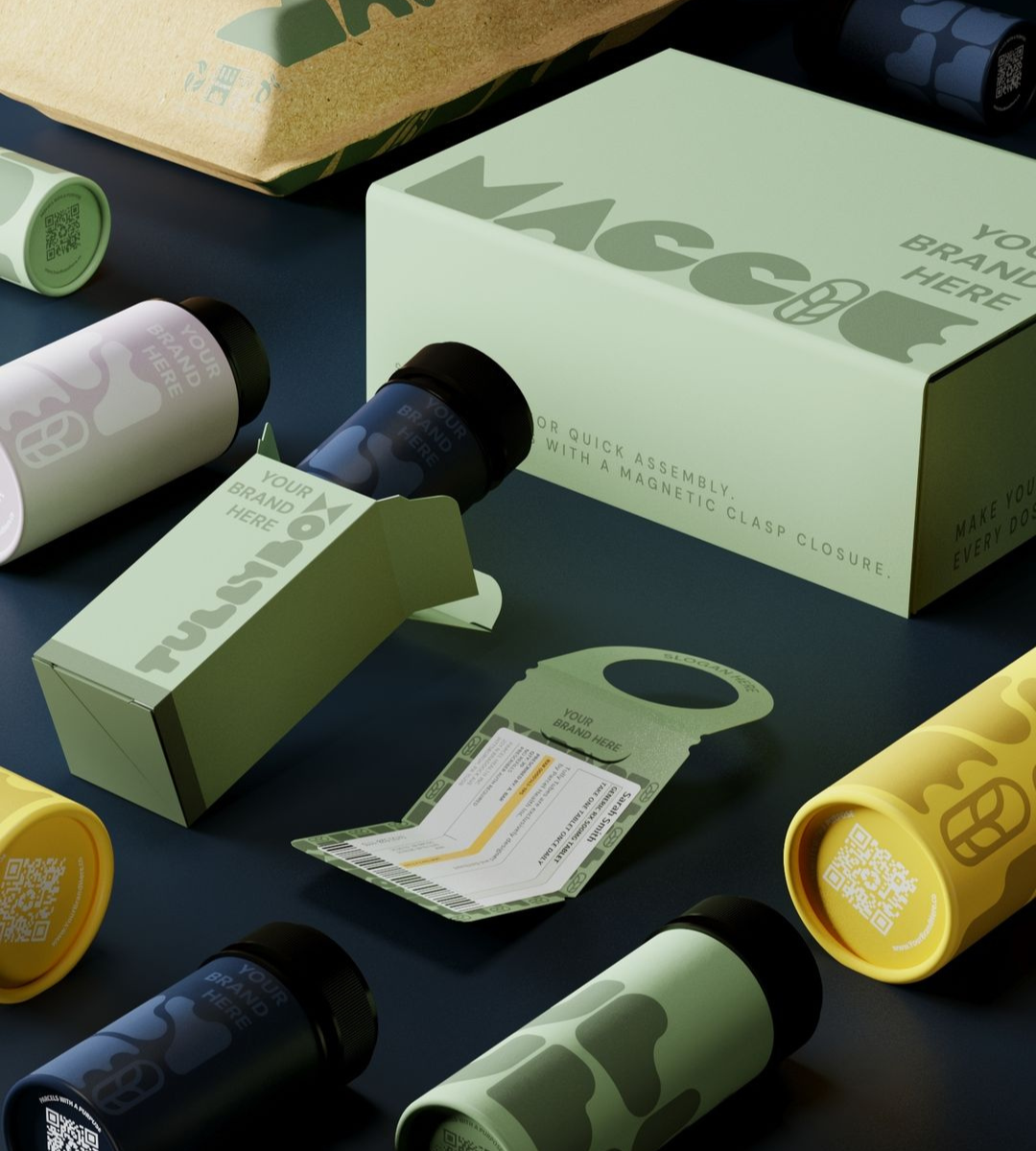
Parcel Health’s Tully Tube, a paper-based prescription bottle, shows how sustainable design can reduce lifecycle carbon emissions while maintaining compatibility with existing pharmacy workflows. It demonstrates that environmental improvements do not always require major changes to clinical practice, but can begin with thoughtful design decisions made from the very start.
Discover how Parcel Health is helping healthcare organizations rethink prescription packaging for a more sustainable future.
Others you might like
Check out some of our latest blog posts.
.jpeg)