August 28, 2026

Is Plastic Still the Only Safe Choice in Healthcare?
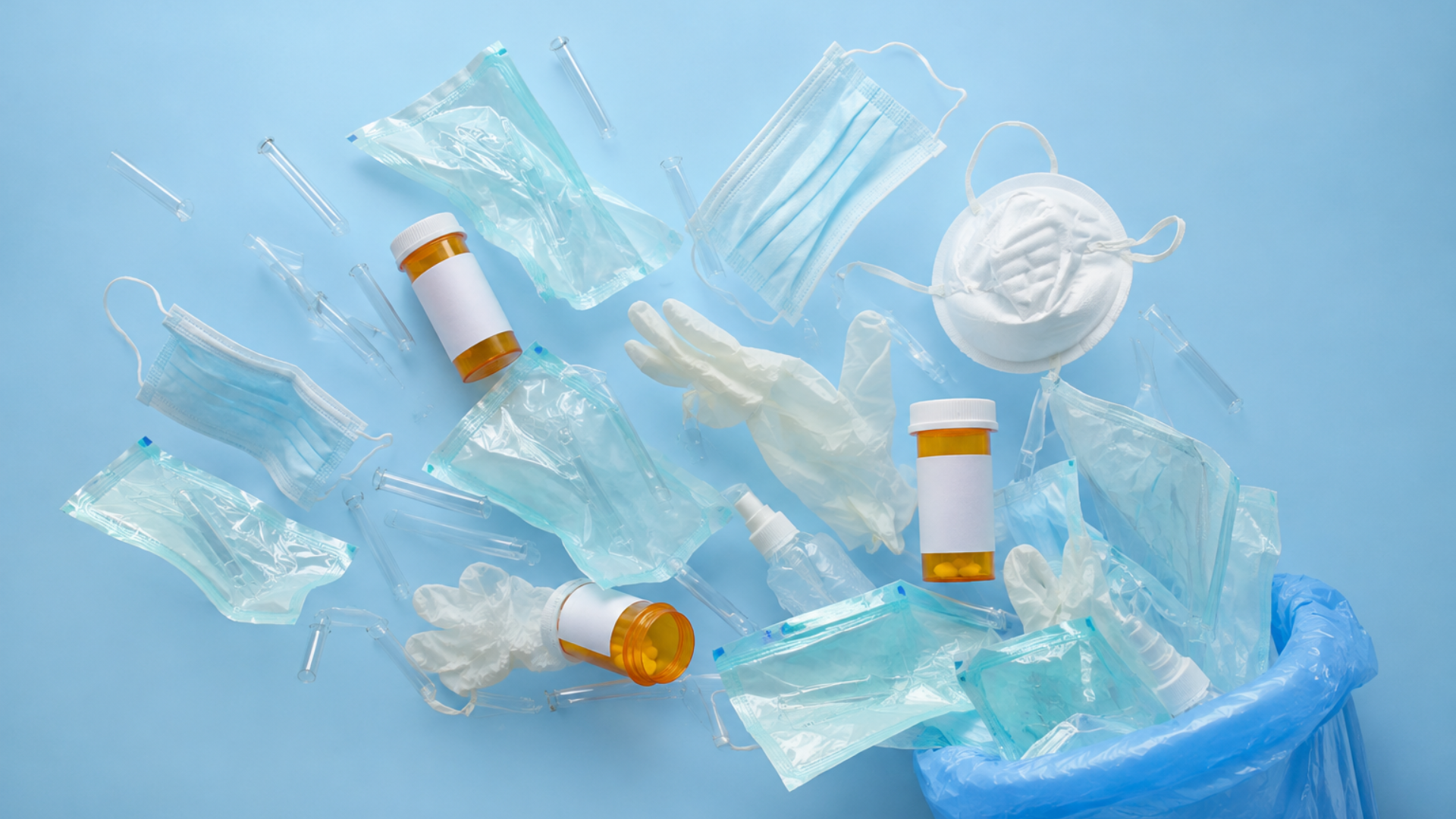
US healthcare generates an estimated 14,000 tons of total waste daily. Most of that is plastic. That figure, however, doesn't show where the plastic comes from, where it ends up, or which sources can be addressed most effectively. Eliminating plastic from healthcare can be challenging, but reducing it meaningfully at scale is more achievable than most people realize. Breaking the plastic problem into specific, addressable pieces is where we should start.
Healthcare accounts for 8.5% of US greenhouse gas emissions, and a report by BMC and Takeda estimates that roughly 80% of that comes from the supply chain. Research found that a single hospital generates over 29 lbs of waste per bed, per day, and a single patient generates nearly 34 lbs of waste a day.
Plastic is woven into healthcare because of long-standing assumptions about safety. The belief that gowns, gloves, and packaging made of plastic are simply cleaner and more sterile than the alternatives. In some clinical settings, plastic is necessary, but in many use cases, it remains the default because it's familiar.
The challenge also includes the sheer volume in use and the continued reliance on a difficult-to-recycle material across a wide variety of single-use applications.
Is Single-Use Plastic Necessary?
Some of healthcare’s dependence on single-use plastic may come from established practices rather than clinical necessity.
A 2026 research brief published in Antimicrobial Stewardship & Healthcare Epidemiology examined common assumptions surrounding single-use plastics in healthcare. Respondents identified several practices worth reconsidering, including the routine use of disposable cups for beverages and medication dispensing.
The study did not conclude that every disposable product should be removed, but highlighted the importance of questioning whether single-use plastic is required for a particular application or has become the familiar default.
Unlike many products used in sterile procedures or direct patient care, prescription packaging can be redesigned provided the alternative continues to meet safety, durability, regulatory and pharmacy workflow requirements.
Rethinking prescription packaging requires identifying where plastic is necessary, where viable alternatives exist, and how those alternatives perform across their full lifecycle.
5 Practical Solutions for Healthcare Facilities
The following five practical steps provide a starting point for reducing unnecessary plastic without compromising patient safety or pharmacy operations.
1. Audit plastic waste by weight and cost
Start by auditing plastic waste by weight and by spend, broken down by material and cost. The BMC and Takeda audit found that regulated medical waste represented only 4% of total waste but accounted for 25% of waste-management spending and 30% of associated emissions. Facilities need to identify where changes will have the greatest impact.
2. Separate regulated medical waste from general plastic waste
Mixing non-hazardous plastic with biohazardous waste increases disposal costs and makes it harder to determine where plastic waste originates. Clearer waste segregation can help facilities distinguish clinically necessary products from high-volume packaging that may be suitable for reduction or replacement.
3. Target high-volume plastics like prescription bottles
Prescription packaging is one of the highest-volume plastic products in healthcare. Close to eight billion prescriptions are filled in the US each year, making medication packaging one of the most visible and frequently used sources of plastic in the healthcare supply chain.
4. Source bio-based and eco-friendly alternatives
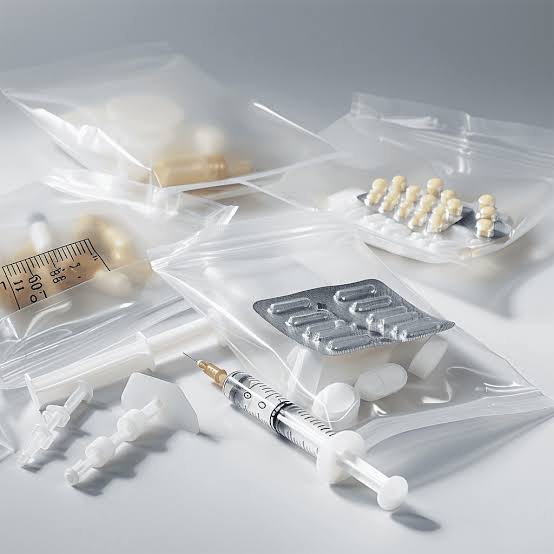
The market for biodegradable and compostable medical products is growing. Items such as bioplastic syringes by cosmoLAB, eco-friendly bedpans by ecoMedSupply, and compostable baggies by Parcel Health can replace single-use plastics. Healthcare procurement teams can prioritize suppliers who offer sustainable alternatives to petroleum-based plastics.
5.Verify end-of-life infrastructure and material claims
Packaging labeled "recyclable" can still end up in a landfill if local facilities cannot collect or process it. Healthcare organizations should evaluate how much virgin material they contain, and what happens to them after use. Plastic can only be recycled two to three times before it degrades, while paper fibers can often be recycled over and over again. These differences make downstream recycling potential an important consideration beyond the immediate upstream emissions reductions that come with using paper and other bio-based materials over petroleum derived plastics
The World’s First And Only Paper Prescription Packaging
The Tully Tube shows how these principles can be applied to prescription packaging. It uses up to 71% less plastic than a conventional prescription bottle and was designed to meet the same clinical, regulatory and operational requirements as the plastic pill bottle.
The Tully Tube is PPPA-compliant, child-resistant and light-resistant. It is designed to protect solid medications and can also accommodate certain medication vials.
Performance matters as much as material choice. During a four-month pilot at Wellstar Kennestone, the Tully Tube performed better than conventional plastic bottles across nine of the ten attributes evaluated. Patient response was overwhelmingly positive, with 71% of participating patients indicating that they preferred the Tully Tube.
Rethinking Packaging
Healthcare will continue to rely on plastic where it plays a necessary role in patient safety and clinical care. But prescription packaging gives healthcare facilities an opportunity to reduce unnecessary plastic without compromising medication protection, regulatory requirements, or pharmacy operations.
Eliminating plastic should start by measuring the current impact, questioning familiar practices, and evaluating alternatives with evidence, not sustainability claims alone.
To explore the methodology behind our plastic reduction and carbon numbers, our impact calculator walks through the Life Cycle Assessment and EPA equivalencies at parcelhealth.co/sustainability/impact-calculator
Others you might like
Check out some of our latest blog posts.
.jpeg)