July 31, 2026

How Gen Z Is Reshaping Sustainable Packaging
Sustainable packaging has evolved beyond environmental responsibility. A 2025 study on FMCG brands found that sustainable packaging has become a business strategy for building trust and meeting changing consumer expectations. As concerns about plastic waste, resource depletion, and emissions continue to grow, businesses across industries, including healthcare, are rethinking how packaging supports both sustainability goals and brand credibility.
One of the biggest drivers of this shift is Gen Z. Growing up with greater environmental awareness and constant access to information, Gen Z is reshaping what consumers expect from brands and influencing how businesses design, communicate, and innovate through packaging.

Why Gen Z Thinks Differently About Packaging
Wildfires, extreme heat, coral bleaching, single-use plastic bans, and viral images of ocean pollution have been a constant part of Gen Z's digital experience. Growing up alongside these environmental challenges, they have developed a strong awareness of sustainability through consistent exposure to related discussions through social media, online communities, and digital brand communication..
This constant exposure has also made Gen Z more critical of environmental claims. Rather than accepting sustainability messaging at face value, research suggests Gen Z has higher environmental awareness and increasingly expects brands to support their claims with clear, verifiable evidence.
That combination of environmental awareness and skepticism of greenwashing is also reshaping how companies approach packaging. Consumers increasingly expect packaging to use fewer resources, communicate sustainability clearly, and back environmental claims with credible evidence. As Gen Z's purchasing power continues to grow, these expectations has changed what they expect from brands.
Packaging Has Become Part of the Brand Experience
According to 2026 Packaging Digest survey data, Gen Z views packaging as one of the clearest indicators of a brand's commitment to sustainability. Packaging is no longer judged solely by how well it protects a product. It has become part of the customer experience and a visible reflection of a brand's environmental values.
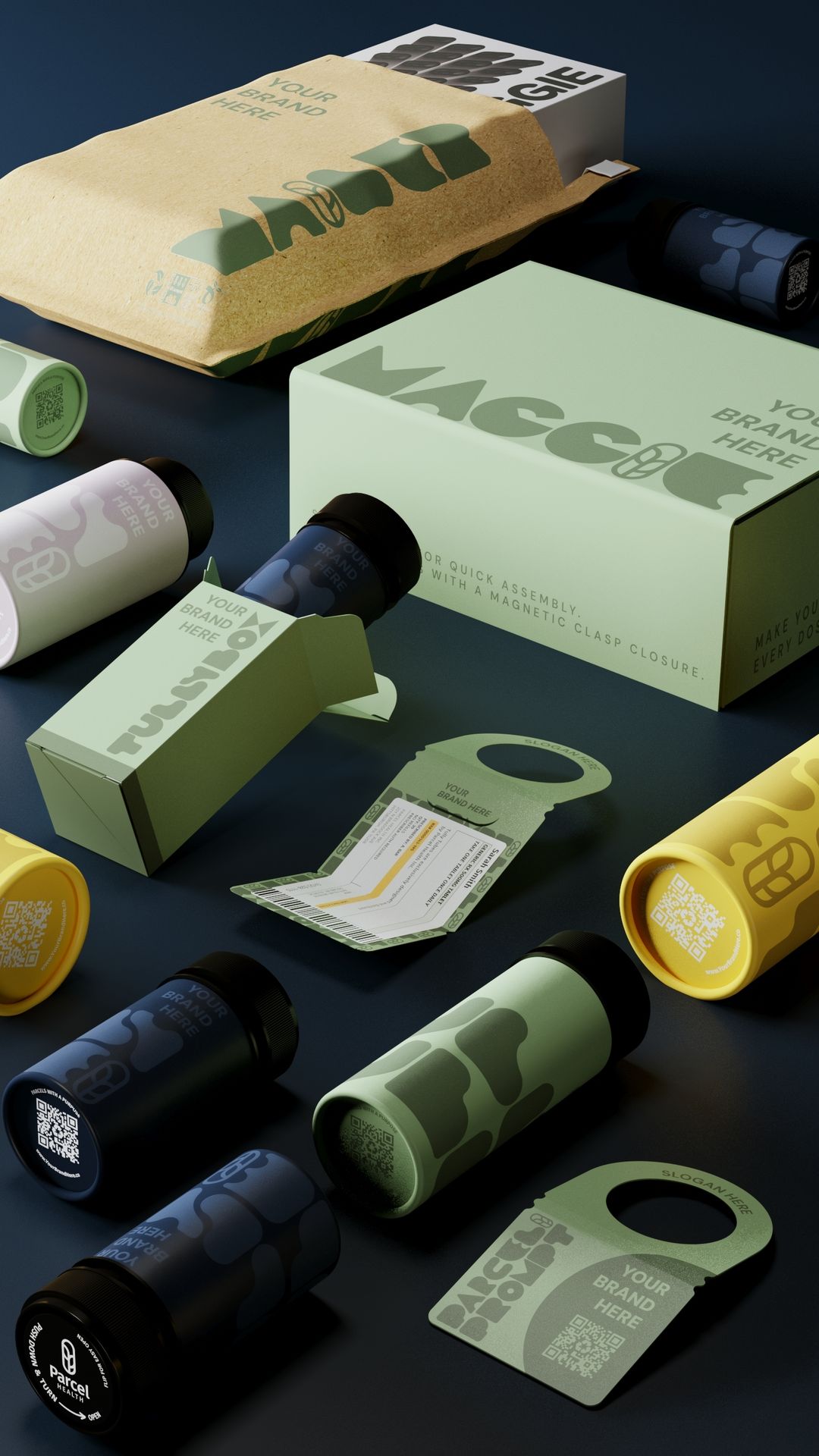
At the same time, Gen Z has elevated expectations around branding. They are drawn to packaging that feels thoughtful, modern, and aligned with a brand's purpose. This creates an opportunity for brands to use sustainable packaging as a way to strengthen brand connection. Paper-based packaging, for example, can offer environmental benefits while also providing a highly adaptable surface for clear messaging, visual identity, and design elements that appeal to younger consumers.
As a result, brands are expected to do more than choose sustainable materials. Consumers want packaging that clearly explains what it is made from, how it should be recycled or disposed of, and why particular design decisions support sustainability. Transparent labelling helps consumers verify environmental claims rather than relying on marketing messages alone. Research also shows that clear labelling benefits a wider audience, helping consumers better understand product information and disposal instructions.
This shift is especially relevant in healthcare, where packaging already plays a critical role in patient safety. Beyond protecting the product, it provides instructions for safe use, storage, and disposal. As younger consumers place greater emphasis on sustainability and transparency, healthcare organisations are increasingly expected to design packaging that is not only safe and compliant but also intuitive, informative, and environmentally responsible.
What Sustainable Packaging Means to Gen Z
As businesses accelerate efforts to replace plastic with more sustainable alternatives, Gen Z expects more than a simple material replacement. They increasingly look for packaging that reduces environmental impact while remaining practical, transparent, and easy to understand.
Gen Z values packaging that uses materials responsibly, minimises waste, and clearly explains how it should be disposed of or recycled. Rather than focusing on a single sustainability feature, they look for packaging that looks and feels meaningfully different than the status quo.
For Gen Z, sustainable packaging is not defined by the material alone but is evaluated by the overall experience, from the choice of materials and resource efficiency to clear communication that helps consumers understand a product's environmental impact and end-of-life disposal.
Why Gen Z's Influence Will Continue to Grow
Gen Z's influence extends far beyond today's purchasing decisions. As their spending power continues to grow, they are becoming an increasingly important customer segment across industries. At the same time, more young professionals are entering leadership, product development, and policymaking roles, where they will help shape future sustainability priorities and packaging decisions.
This influence is expected to extend across the entire packaging ecosystem from product design and material selection to corporate sustainability strategies and industry regulations. Businesses that adapt to these evolving expectations today will be better positioned to remain competitive as consumer and regulatory demands continue to evolve.
The Bigger Picture
Gen Z is turning sustainable packaging from a competitive advantage into an expectation. Packaging is becoming a strategic investment that supports evolving consumer expectations, strengthens brand credibility, and positions businesses for a future where sustainability is an integral part of product innovation.
As Gen Z's purchasing power and influence continue to grow, businesses will increasingly be judged not only by the products they create but also by how those products are designed, packaged, and delivered. Companies that embrace this shift today will be better positioned to remain competitive in an increasingly sustainability-conscious market.
Others you might like
Check out some of our latest blog posts.